
Sell your house during a divorce in Lackawanna & Blasdell, NY — one clean transaction
Lackawanna and Blasdell are working-house towns with Steel City roots, and many of these homes are owned free of frills but rarely free of back taxes or a roof that is past due. Long Erie County title chains and city code notices are common here. A cash closing can clear the mortgage, the tax liens and the code items at once — you hand over the keys as-is and walk away clean.

The person on this page is the person who answers the phone — no call center, no lead reselling.
Get your fair cash offer
Tell us about the property. We reply with next steps and a written cash offer, free, with no obligation.
How we help divorcing couples sell the house.
- One written offer both parties can review with their attorneys — no competing opinions.
- An as-is sale, so neither side has to fund repairs out of a shrinking estate.
- A closing date you both agree to, whether that is immediately or after the settlement.
- A discreet process — no listing, no sign in the yard, no showings.
Selling a house in Lackawanna or Blasdell: what's different locally
Lackawanna and Blasdell sit south of the city, and the housing is modest and practical. The issues that stall a normal sale here are usually paperwork and condition rather than price — years of back taxes, old code violations, a roof or furnace that has run its course. We are comfortable with those title chains, fold the liens and code items into the payoff, and buy the house as-is so the repair list never touches you.
Selling the house during a NY divorce
New York is an equitable distribution state, not a community property state, which means marital property, including the house, gets divided based on what’s fair, not automatically split 50/50. In practice, a lot of couples find that selling the house and splitting the proceeds is the cleanest way to move a divorce forward, especially when neither spouse wants to buy the other out or keep making a mortgage payment together. We can close on a timeline that works around your court dates, and because there’s no staging, no showings, and no back-and-forth with buyer financing, it removes one more thing you and your spouse have to coordinate on during an already difficult time.
Selling the house during a New York divorce: how it works
The house is often the biggest asset in a divorce, and the rules around selling it are specific. Here is what matters in New York.
- 01
Equitable distribution
New York divides marital property fairly, which is not always 50/50. Courts look at factors such as the length of the marriage and each spouse's contributions.
- 02
Automatic orders
Once a divorce is filed, New York's automatic orders generally stop either spouse from selling or transferring marital property without written consent from the other spouse or permission from the court.
- 03
The mortgage
Both spouses usually stay responsible to the lender until the loan is paid off or refinanced, no matter who lives in the house.
In practice, a sale needs a written agreement between spouses or a court order. Your attorneys document that, and the closing follows it.
Three ways couples handle the house
| Sell and split the proceeds | One spouse buys out the other | One spouse stays for now | |
|---|---|---|---|
| How it works | Sell, pay the mortgage, divide what is left | One spouse refinances into their name and pays the other | One spouse keeps living there until a later date |
| Good when | Neither spouse wants or can afford the house | One spouse can afford the loan alone | Children or timing make a move hard |
| Watch out for | Closing has to match the settlement | Needs lender approval and cash for the buyout | Both stay on the loan and the risk |
| Time | Can be as fast as 7 to 14 days to close | Weeks to months | Open-ended |
Ask a CPA about the home sale tax exclusion. Each spouse may qualify to exclude a portion of the gain if the home was their main residence — see IRS Publication 523. If one of you is moving away, see relocating and selling from out of state.
Selling during divorce: your options
Do Nothing
- Coordination requiredBoth spouses manage listing, showings, offers
- Timeline controlTied to market conditions
- Who sees the housePublic showings, open houses
- Net proceedsFull market value, minus repairs/commission/time
List with an Agent
- Coordination requiredSame, plus agent scheduling
- Timeline controlTied to market conditions
- Who sees the housePublic showings, open houses
- Net proceedsSame
Sell to Irish Jones Home Buyers
- Coordination requiredOne transaction, minimal back-and-forth
- Timeline controlYou set the closing date
- Who sees the houseOne visit, no strangers walking through
- Net proceedsFair cash offer, no fees, faster access to funds
Estimate
Estimate your cash-sale savings.
Move the sliders. We’ll roughly total what a traditional listing would cost you that a cash sale to Irish Jones Home Buyers skips.
Potential savings with a cash sale
$41,750
- Agent commission
- $21,000
- Closing costs (seller)
- $8,750
- Repairs avoided
- $12,000
For illustration only. Your actual offer depends on local Buffalo comparable sales and the condition of the house.
How a closing fits around your court schedule
- 01
Your attorneys agree
On the sale and the split of the proceeds.
- 02
You send us the details
Send the address and the key details, and we send a written cash offer.
- 03
We set the closing date
Around your settlement or court dates.
- 04
Both spouses sign
Separately or remotely if needed, so you do not have to be in the same room.
- 05
The title company pays out
It pays off the mortgage and sends the proceeds exactly as your attorneys instruct.
No open houses, no showings and no strangers walking through your home while you are going through a hard time.
What to have ready
- Names on the deed (one or both spouses)
- The latest mortgage statement and any home equity loan
- Property tax bill
- Any court order, settlement agreement or signed letter between spouses about the sale
- Your attorney's contact information
If the house needs work first, see selling a house that needs repairs. If one spouse fell behind on the mortgage, see stopping foreclosure.
Why sell to Irish Jones Home Buyers.
We buy as-is
Condition is our starting point, not your problem to fix first — repairs, belongings and all.
No fees or commissions
No listing agreement and no agent commission. The written offer is the number.
Close on your timeline
Cash means no bank approvals in the way — you pick the closing date that fits.
Local & licensed
A Buffalo office, a 716 phone number and NY real estate license #10491209386 you can look up.
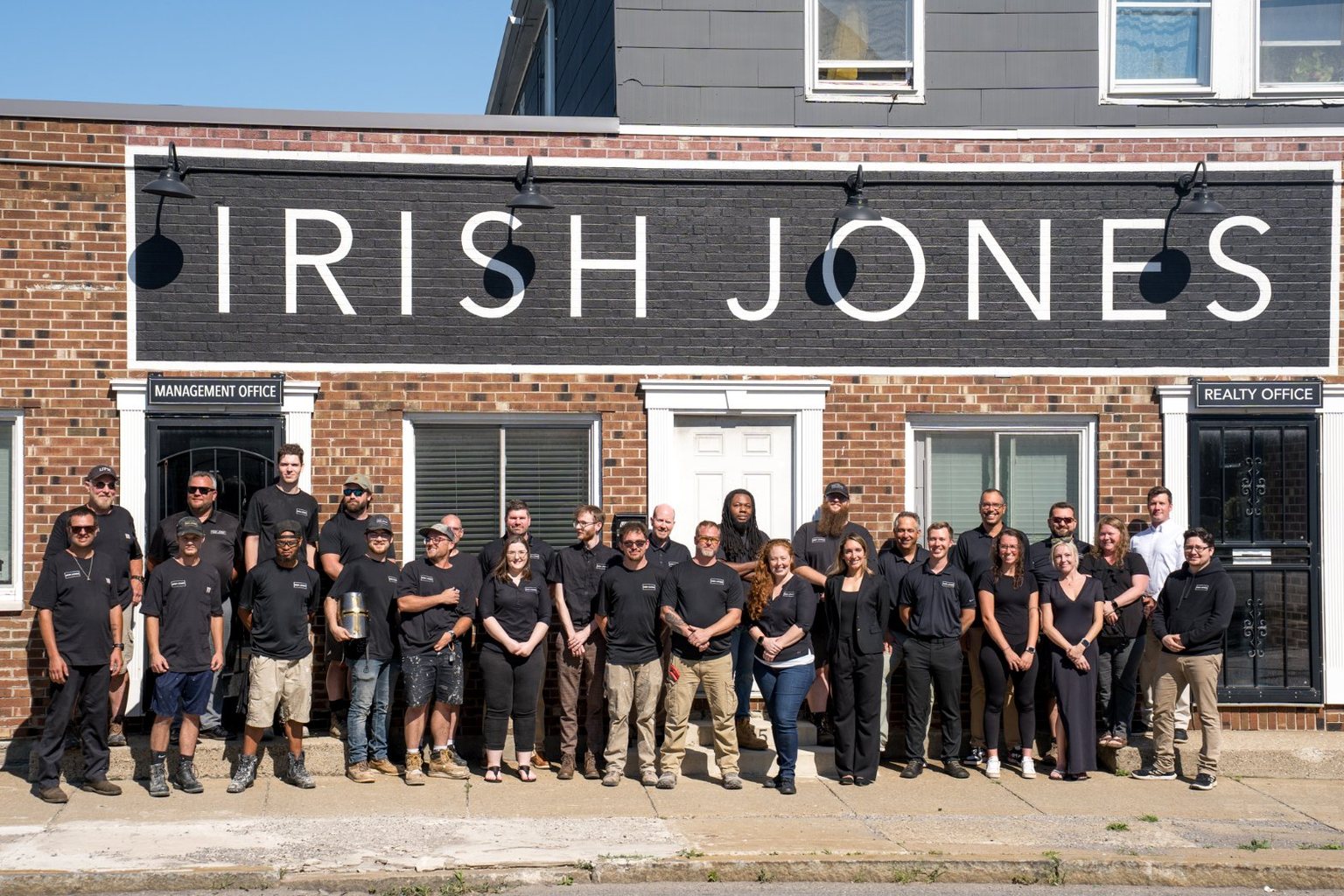
Meet the team handling your sale
Matt Irish-Jones
Co-founder & CEO, Irish Jones
NY real estate license #10491209386 · 716-768-4915
The person on this page is the person who answers the phone.

Earl Altheide
Partner, Irish Jones · Division lead, Irish Jones Home Buyers
NY real estate license #10491209386 · 716-768-4915
The person on this page is the person who answers the phone.
Quick answers.
Do you buy Lackawanna and Blasdell houses with tax liens or code issues?
- Yes. We routinely handle Erie County tax liens and city code violations in the payoff, and buy the house as-is so the repairs stay with us after closing.
Do you buy in both Lackawanna and Blasdell?
- Yes — we buy across both, including the First Ward blocks and the Ridge Road corridor.
Can we sell the house during a divorce in New York?
- Yes, but both spouses generally need to agree in writing, or the court must approve the sale. After a divorce is filed, New York's automatic orders restrict selling or transferring marital property without consent or a court order. Most couples handle this by having their attorneys document the agreement, then closing once everything is signed. We can work with both attorneys so the sale follows what the agreement says.
Does the house get split 50/50?
- Not automatically. New York uses equitable distribution, which means marital property is divided fairly based on factors such as the length of the marriage, each spouse's contributions and their finances. A 50/50 split of net proceeds is common in agreements, but a judge or your settlement can decide differently. Your attorney sets the split, and the closing follows it.
Do both spouses have to sign?
- If both names are on the deed, both spouses normally have to sign the sale documents. If only one spouse is on the title, the other may still have rights in a marital home, so the title company will usually want a signature or a court order. Spouses can sign separately and remotely, so you do not need to be in the same room.
What if one spouse wants to stay in the house?
- You have options. One spouse can buy out the other, which usually requires refinancing the mortgage into one name, or the court can allow one spouse to remain in the home for a period. If a buyout is not affordable, selling and dividing the proceeds is the clean alternative. We can give you a written offer so you can compare the numbers with your attorney.
Who pays the mortgage while the house is for sale?
- Until the loan is paid off, both spouses are usually still responsible to the lender, no matter who lives in the home. Missed payments can hurt both credit reports. Many couples agree on who pays during the sale, and attorneys often put that in writing. A faster closing shortens the time you share this obligation.
Can we close on a date that fits our court schedule?
- Often, yes. Because the sale is cash with no lender approval to wait for, we can usually pick a closing date that matches your settlement or court dates. Tell us your deadlines and we plan backward from them. Complications such as liens or title problems can add time, so the earlier you contact us, the more flexible the schedule.
What happens to the sale proceeds?
- At closing, the title company pays off the mortgage and closing costs, then sends the remaining proceeds as your agreement or court order directs. That may be split between spouses, held in escrow until the settlement is final, or divided by percentage. Your attorneys tell the title company how to pay, and we follow those written instructions.
Do we need our attorneys involved in the sale?
- Yes, we recommend it. Because New York's automatic orders and your settlement terms control how the house can be sold and how proceeds are split, your attorneys should review the offer and closing documents. We work with them directly, so they get the paperwork they need without extra calls between you and your spouse.
This page is general information, not legal or tax advice. Talk to a New York attorney or CPA about your situation.
Resources
Before you decide how to sell.

We buy houses across Lackawanna & Blasdell, NY.
Lackawanna & Blasdell, NY is in Erie County. If your ZIP code is below, the answer to whether we buy in your area is yes — and if it is not, call 716-768-4915 and we will tell you right away.
ZIP codes
14218, 14219
Neighborhoods & towns
Lackawanna, Blasdell, First Ward, the Ridge Road corridor, Steel City blocks
Nearby service areas: Buffalo · Tonawanda & Kenmore · West Seneca · Cheektowaga · Amherst · Niagara Falls · Hamburg & Orchard Park · All service areas
Other situations we help with.
- Stopping foreclosure: sell before the auction date.
- Inherited property: estates, heirs and probate.
- Code violations: open city notices and fines.
- Repairs it needs: sell as-is without fixing a thing.
- Vacant houses: stop paying for an empty house.
- Problem tenants: sell a rental with tenants in place.
- Relocating: moving soon? Close on your schedule.
How it works · FAQ · Contact · Home